Chatter from the Cobblestones: our ancestors and the census process
Take a stroll through Britain's history, a newsletter uncovering the real lives and stories of our ancestors, blending genealogy and social history in a very intentional way.

How did our ancestors actually view the census process? Were they keen to take part or begrudgingly compliant?
The United Kingdom has conducted regular national censuses every ten years since 1801. The first four were largely statistical, but starting in 1841, names of all people in a household, their occupation, marital status and county of birth were recorded. While each year the details that were obtained vary, 1841 is really considered the year where the most valuable censuses begin for family history.
Participation for the population was compulsory and after 100 years the household enumerations can be released to the public, this was most recently done for the 1921 Census of England and Wales, through a partnership between The National Archives and Findmypast.
But was it welcomed?
Everyone has their own opinion - and always have had - and that applies to the census as well. However, we can turn to a readily available resource for a bit of regional searching to help us understand how the general masses viewed this governmental process.
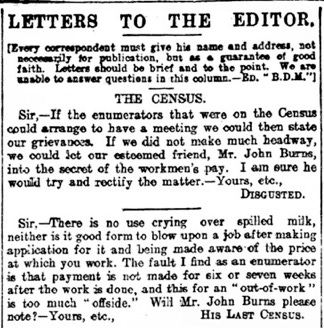
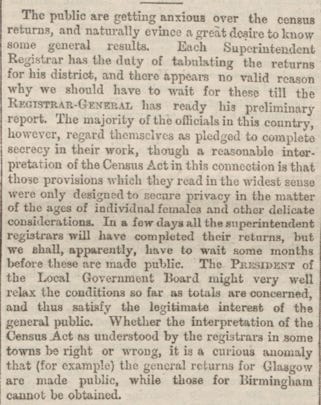
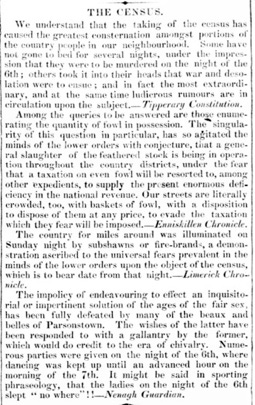
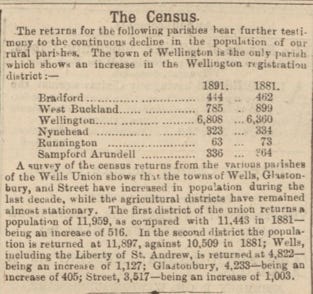
Newspapers are teeming with snippets of information, from letters to the editor, procedural information, summaries of county-level statistics, and even some fairly wild concerns about taxes that would be implemented as a result of the census.
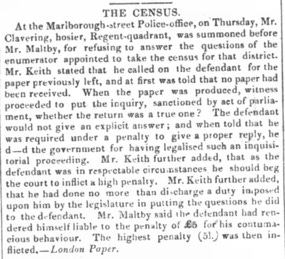
Was your ancestor fined after refusing to participate? Did your ancestor get counted amongst the poor by the police forces? It may very well be worth your time and I would encourage you to do a bit of digging in your area of interest and time frame to see what you can come up with. Just like today, the census has always been news-worthy.
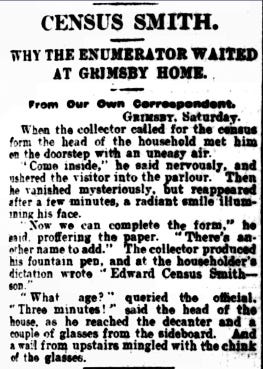
Here’s a few to whet your appetite.