
Reading Between the Lines: A Five-Part Guide to Historical Newspapers
This post is part of a five-part series on how to read historical newspapers more critically and use them to build richer family stories.

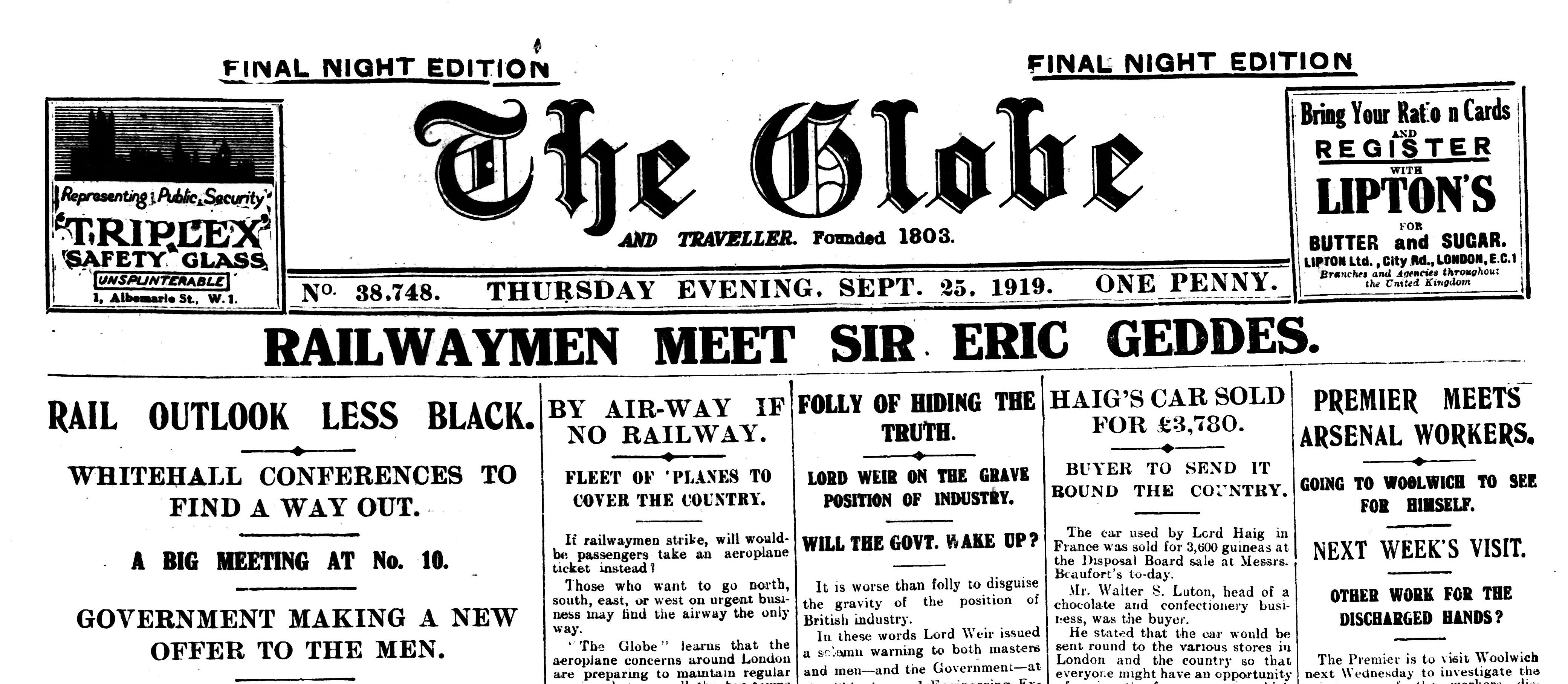
Newspapers are some of the most powerful sources available to family historians. They reveal details, emotions, conflicts, and community reactions that rarely appear in official records. But they can also mislead us if we read them too quickly.
Over the years, I’ve found myself returning to the same five questions whenever I encounter a newspaper article about an ancestor:
What actually happened?
Who is telling the story?
What language shapes our judgment?
What changes when we add context?
What is missing?
These questions have transformed how I interpret newspapers and, ultimately, how I understand the people I research. Subscribe to ensure you don’t miss all five parts.
Today, we’re starting with Question #1.
What Actually Happened?
One of the easiest mistakes we make when reading historical newspapers is assuming that every sentence is evidence. It isn’t.
Some sentences describe events. Some express opinions. Some are designed to entertain readers. Some exist specifically to persuade. Headlines are meant to capture our attention and convince us to hand over our hard-earned money for that information.
Yet when we find an article about an ancestor, we often absorb all of those elements at once. We should be excited about the discovery ~ enjoy the moment! But then, take a step back. If we don’t, we inherit the newspaper’s interpretation before we’ve even understood the event itself.
Consider how often newspaper reports use words such as “violent,” “disorderly,” “respectable,” “outrageous,” “assault,” or “brutal.” Those words are not facts. They are judgments.
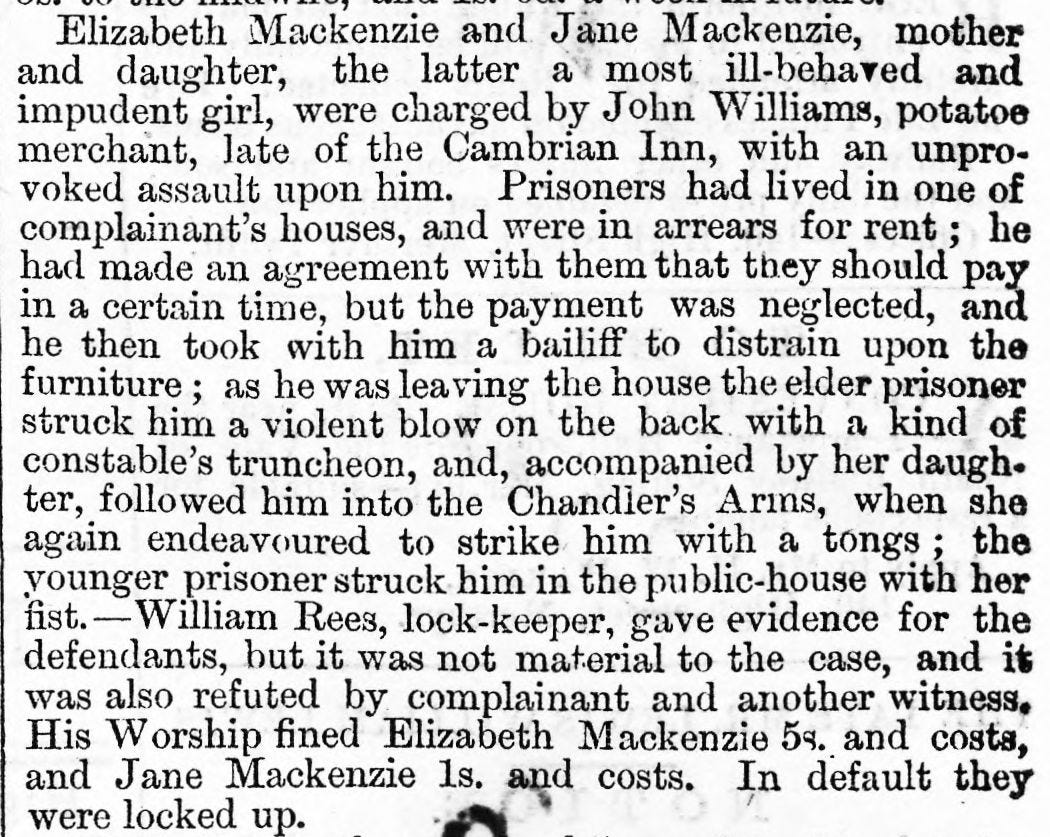
The fact might be: “A man struck a police officer.”
The interpretation might be: “A violent assault was committed against the police.”
Those statements describe the same event, but they encourage very different reactions from the reader.
Whenever I encounter a newspaper article, my first task is surprisingly simple. I strip the story back to its most basic actions.
Who was involved?
What happened?
When did it happen?
Where did it happen?
What was the outcome?
If you remember only one thing from this article, remember this:
Remove the adjectives.
Before you decide whether your ancestor was brave, violent, respectable, troublesome, reckless, or heroic, strip the article back to its basic actions. Find the event first. Everything else comes later.
This exercise often reveals how much of an article consists not of evidence, but of interpretation. For family historians, this is a crucial step, and one I think too many of us are missing.
Newspapers are wonderful sources precisely because they capture emotion, conflict, and public opinion. But if we allow those elements to shape our understanding too early, we risk confusing commentary with fact.
Before you decide what a newspaper article means, first establish what happened.
Try It Yourself
The next time you find a newspaper article about an ancestor, challenge yourself to summarize it in three simple bullet points using only verifiable facts.
You may be surprised how different the story looks once the commentary is removed.
In this article, we’ve focused on separating events from interpretation. Before we can understand what a newspaper report means, we first need to understand what actually happened.
But newspapers are never neutral observers.
In Part 2, we’ll tackle the next question: Who is telling the story?
Have you ever found a newspaper article that completely changed your opinion of an ancestor? I’d love to hear about it in the comments.
This work was developed with the assistance of artificial intelligence tools used for drafting support, structural refinement, and clarity of expression.