Newspapers are some of the most powerful sources available to family historians. They reveal details, emotions, conflicts, and community reactions that rarely appear in official records. But they can also mislead us if we read them too quickly.
Over the years, I’ve found myself returning to the same five questions whenever I encounter a newspaper article about an ancestor:
What actually happened?
Who is telling the story?
What language shapes our judgment?
What changes when we add context?
What is missing?
These questions have transformed how I interpret newspapers and, ultimately, how I understand the people I research. Subscribe to ensure you don’t miss all five parts.
Today, we look at Question #2: Who is telling the story?
One of the most important questions I ask when reading a newspaper article is also one of the easiest to overlook. Who is actually speaking?
At first glance, that might seem like an odd question. The newspaper is speaking, isn’t it? Not quite.
Most newspaper articles are built from voices: Witnesses. Officials. Editors. Police officers. Magistrates. Politicians. Clergy. Community leaders. And once you start paying attention to those voices, you begin to notice who isn’t included. Very often, that’s our ancestors.
Think about the last newspaper article you found about an ancestor.
Who was quoted?
Who provided the information?
Who shaped the narrative?
In many court reports, for example, the answer is straightforward:
A police officer describes what happened.
A magistrate comments on the seriousness of the offence.
A prosecutor presents evidence.
The newspaper records their statements. Meanwhile, the person at the center of the story may only appear as a name. If you’re lucky, you’ll get a line or two of their testamony, often paraphrased. Sometimes, they are described entirely through the words of others.
Yet years later, when we discover that article, we often read it as though we are hearing directly from our ancestor. We’re not. We’re hearing from the people who had the power to describe them.
It’s our job to remember that authority is not the same thing as neutrality. The perspective of the police officer will differ from that of the editor or the judge or the veteran or the witness or the bystander or the mother. All of them are operating within a specific social, political, and cultural environment.
That doesn’t mean they are lying or being intentionally misleading. It simply means they are human, and we all tell stories from particular viewpoints.
For many of our ancestors, especially working class people, migrants, labourers, women, and minority communities, the historical record is already uneven.
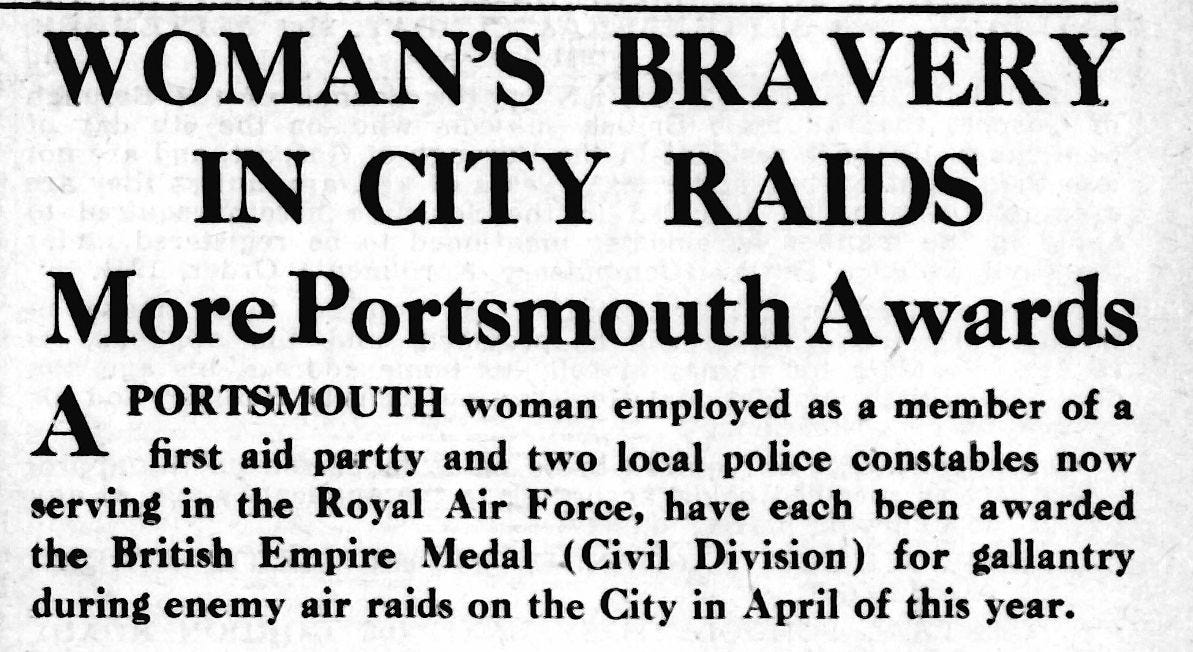
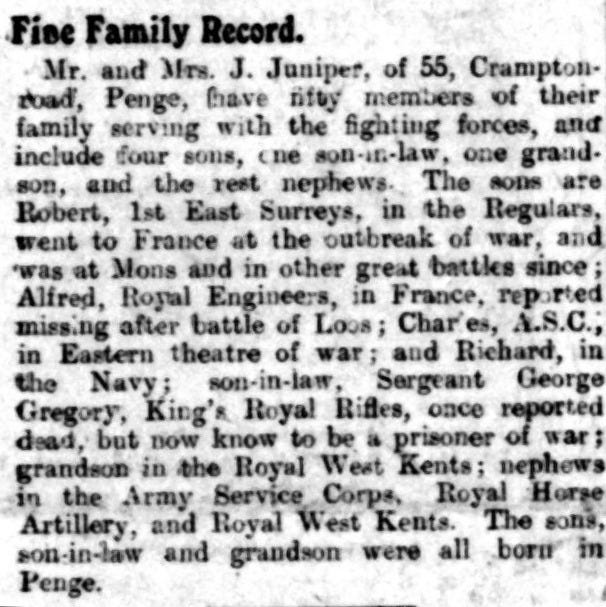
When they appear in newspapers, they often do so through institutions, such as a police report, a court proceeding, a newspaper editor’s inquest, a want ad, a story of their bravery in war. In each of these, someone else is speaking for them, editing their words, decididing which details matter. Someone else is determining how the public will understand their actions.
The result is that many newspaper articles tell us as much about power as they do about people.
One of my favorite exercises is surprisingly simple. The next time you find a newspaper article (or pull one out you’ve had for a while), and make two lists.
In the first column, write down every person whose voice appears in the article. In the second column, write down every person whose voice is missing.
The results can be eye-opening. Does the accused have a voice? Does the victim? What about their spouse or neighbors? What about the people who experienced the event from a completely different perspective?
Sometimes the most important person in the story never gets to speak.
Lewisham Borough News, 3 Mar 1916. Findmypast.co.uk
All of this often makes newspapers more valuable than they initially appear… and even on the surface, they are incredibly valuable.
Once we recognize whose voices are present and whose voices are absent, we begin to understand the structures that shaped the historical record itself. We stop treating newspaper reports as neutral windows into the past and we start seeing them as products of their time. That awareness allows us to read them more carefully, more critically, and ultimately, more compassionately.
Because when we realize our ancestors rarely controlled their own narratives, we become much slower to accept someone else’s version of their story.
If you remember only one thing from this article, it would be this… Ask who gets a voice.
Thousands of newspaper articles include a “voice,” it’s up to us to pay attention to who is doing the talking, and to pay even closer attention to who isn’t. Sometimes the most important story is hiding somewhere in the middle.
Try It Yourself
Choose a newspaper article about an ancestor. Make two lists: Who gets to speak and who doesn’t? Then ask yourself a final question… how might the story change if those missing voices had been included?
Next Time
In Part 3, we’ll look at the words newspapers use to guide our reactions. Just how manipulative are they?
We’ll explore why terms like “respectable,” “violent,” “riotous,” and “disorderly” are doing far more work than we often realize, and how language quietly teaches readers what to think.
If you’d like to follow the rest of the series, be sure to subscribe so you don’t miss the next installment.
This work was developed with the assistance of artificial intelligence tools used for drafting support, structural refinement, and clarity of expression.
Brilliant advice. I have been "inside" three major stories and can say with confidence each was presented in a way that bore little resemblance to the actual events. The person telling the story was apparently a fresh faced 22 year old with a deadline but not even real world experience to write a coherent narrative.


Brilliant advice. I have been "inside" three major stories and can say with confidence each was presented in a way that bore little resemblance to the actual events. The person telling the story was apparently a fresh faced 22 year old with a deadline but not even real world experience to write a coherent narrative.