
Reading Between the Lines: Part 3 ... What Language Shapes Our Judgment?
This post is part of a five-part series on how to read historical newspapers more critically and use them to build richer family stories.

This post is part of a five-part series on how to read historical newspapers more critically and use them to build richer family stories.
Newspapers are some of the most powerful sources available to family historians. They reveal details, emotions, conflicts, and community reactions that rarely appear in official records. But they can also mislead us if we read them too quickly.
Over the years, I’ve found myself returning to the same five questions whenever I encounter a newspaper article about an ancestor:
What actually happened?
Who is telling the story?
What language shapes our judgment?
What changes when we add context?
What is missing?
In Part 1, we removed the adjectives. In Part 2, we asked who gets a voice. Today, I want to focus on the words themselves. Because newspapers don’t simply tell stories, they teach readers how to feel about them.
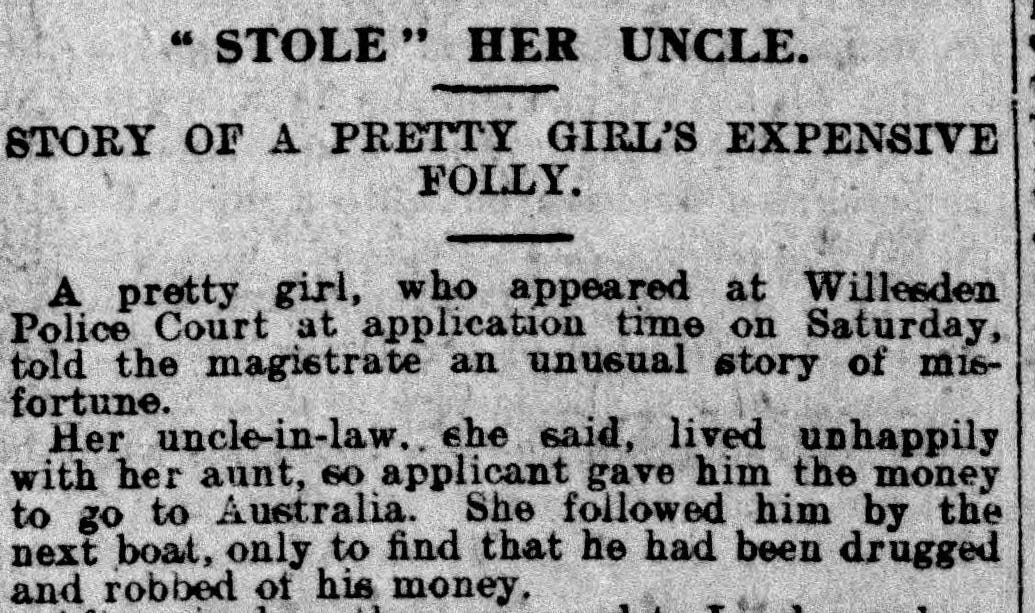
Imagine two headlines.
“Violent Assault Upon the Police.” and “Altercation Between Civilians and Police.”
Those headlines describe very different worlds. One tells us who the heroes are, the other tells us who the villains are. One prepares us to condemn, and the second invites us to understand. And before we’ve even read the article, we’ve already begun forming opinions.
That’s the power of language.
Historical newspapers are full of these cues: respectable, disorderly, violent, riotous, destitute, notorious, brutal, foreign.
Those words aren’t random: they’re instructions. They tell readers what to think. They tell readers who to trust, who to fear, who deserves empathy… and who doesn’t. Which means it’s on us to see them for what they really are.
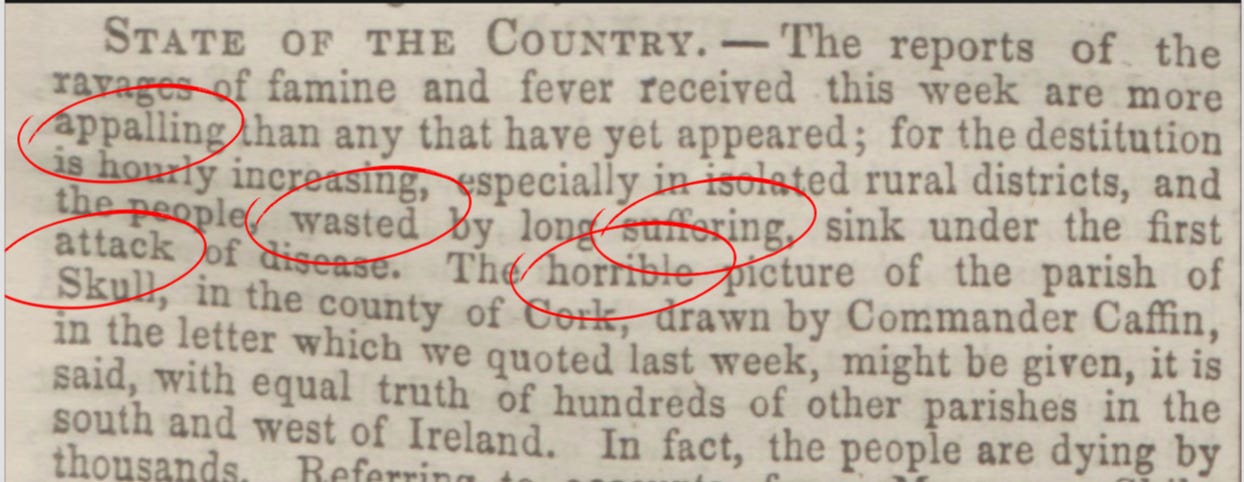
One of the most revealing things I do when reading a long newspaper article is surprisingly low-tech. I print it. Then I grab my favorite colorful markers and dissect it, sentence by sentence. Every adjective gets circled. Every phrase that expresses judgment gets a color. Every word that tells me how I’m supposed to interpret the event gets marked.
By the time I’m finished, some articles look like children’s coloring books. I’m a visual person, and this works for me. The end product with various colors on the page? That’s exactly the point.
Because once you separate the language from the event itself, something fascinating happens. You begin to see fear and prejudice. And you begin to see power.
Take a moment to think about the words used to describe immigrants in newspapers. Or labour unions. Or suffragettes. Or striking miners. Or Catholics. Or the poor. Or women accused of crimes.
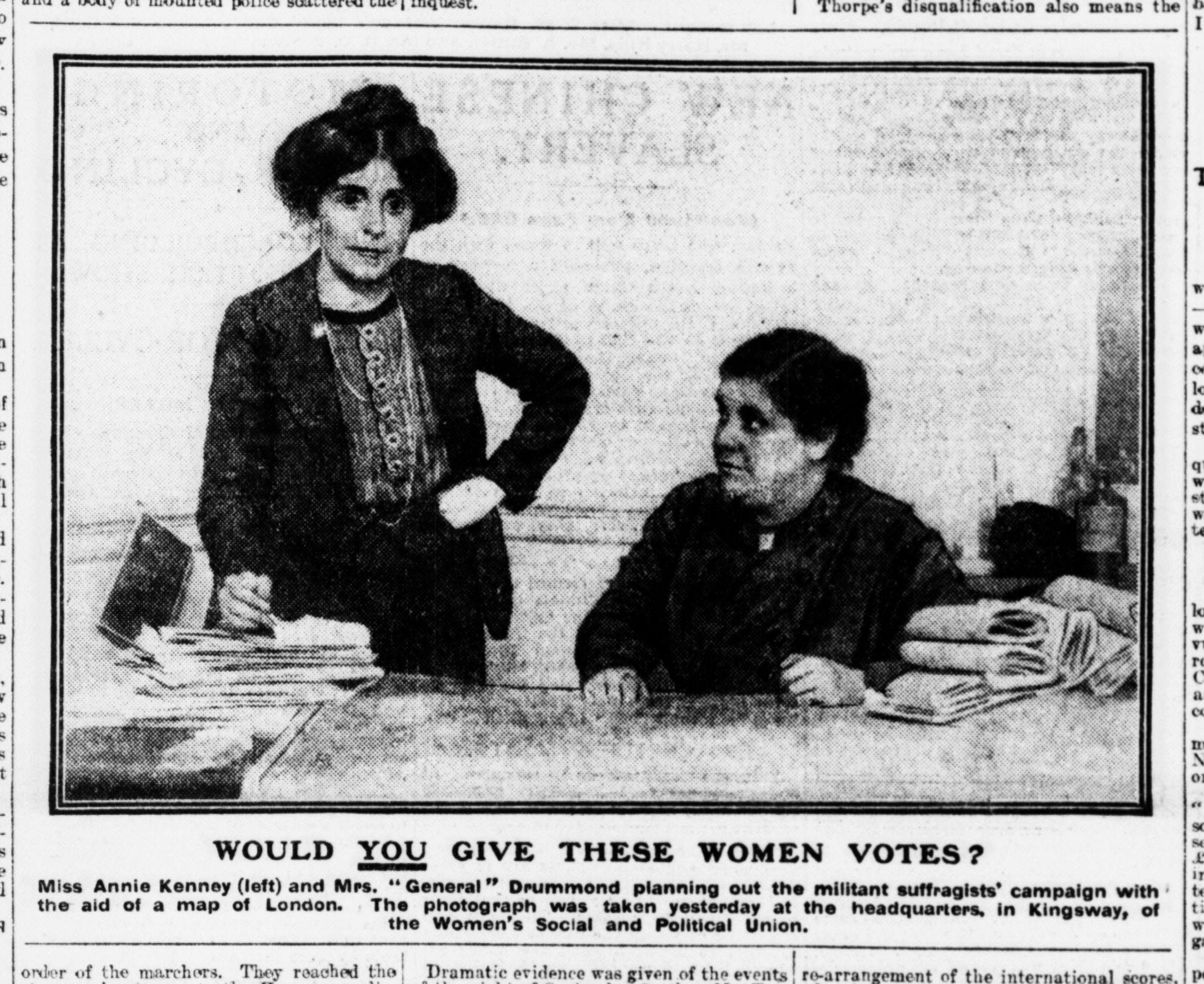
The word choice is intentional.
Newspapers don’t just reflect society, they help create it. Language is powerful, and language shapes reputation. Reputation eventually shapes memory.
And as I’ve said before in this series, newspapers are remarkable resources. We should all be using them, all the time. But we cannot just clip an article from a historic newspaper and call it done. We need to understand that the language itself is evidence and should be a part of our interpretation of that source.
It’s not evidence of what happened; it’s evidence of what people feared. What society valued. Evidence of who held power and evidence of bias.
Bias should be expected; it’s very human. It’s not something we want to try to remove from our source of evidence; it’s something we study.
This is one of the reasons I love newspapers so much. Genealogical sources like census records, birth certificates, military files… they tell us what happened, to whom, where, and when.
Newspapers? They tell us how events were understood.
The distinction means we get to understand the world our ancestors inhabited, and that means understanding the assumptions and anxieties of the people around them. And that can be a truly exciting rabbit hole to fall into.
If you remember only one thing from this article, remember this: Circle the judgment words.
Words like violent, respectable, disorderly, brutal, notorious. Those words are not just decoration; they are not just drama. They are evidence about the society describing our ancestors and the world they lived in.
Try It Yourself
Your turn. Find a newspaper article you’ve used before. Take a highlighter and circle every adjective, every intensifier, and every phrase that tells the reader how to feel.
Then ask yourself: What would remain if those words disappeared?
And what do those words reveal about the people who chose to use them?
Next Time
In Part 4, we’ll widen the frame.
Because a headline without context can be deeply misleading.
We’ll explore why economic pressures, politics, religion, migration, and social change matter so much when interpreting newspaper reports.
Or, as I like to remind myself: Never read a headline without its historical weather.
If you’d like to follow the rest of the series, be sure to subscribe! Leave a comment, too; what’s your favorite newspaper phrase you’ve encountered?
Jen, I am currently sifting through hundreds of articles I've printed out from NYT 1939-1942, and also relevant local papers. This is so useful as I'm trying to work out exactly who a certain person was, a person who seemed to be at the same time an upstanding member of society and a convicted felon. Your series will help me greatly in this endeavour 🙏🏼