

Reading Between the Lines, Part 4: What Changes When We Add Context?
This post is part of a five-part series on how to read historical newspapers more critically and use them to build richer family stories.

Newspapers are some of the most powerful sources available to family historians. They reveal details, emotions, conflicts, and community reactions that rarely appear in official records. But they can also mislead us if we read them too quickly.
Over the years, I’ve found myself returning to the same five questions whenever I encounter a newspaper article about an ancestor:
What actually happened?
Who is telling the story?
What language shapes our judgment?
What changes when we add context?
What is missing?
In Part 1, we removed the adjectives. In Part 2, we asked who gets a voice. In Part 3, we circled the judgment words.
Today, I want to widen the frame, because newspaper articles freeze moments, but we live life in motion.
Imagine finding a newspaper announcement for your great-grandparents’ wedding.
A happy occasion, possibly listing a few names of the bridal party or attendees. Maybe a description of the bride’s dress, the flowers, or where they are going on their honeymoon.
Case closed.
But what happens when we widen the frame? What if the wedding took place in 1917 and the groom was home on leave from the Western Front? What if several brothers or cousins were serving overseas? What if the brides’s family had already experienced loss? What if shortages and uncertainty had become part of everyday life… then spilled over into the celebrations?
What if the couple knew they might spend more time apart than together?
Suddenly, the announcement feels different. The clipping hasn’t changed, but our understanding has.
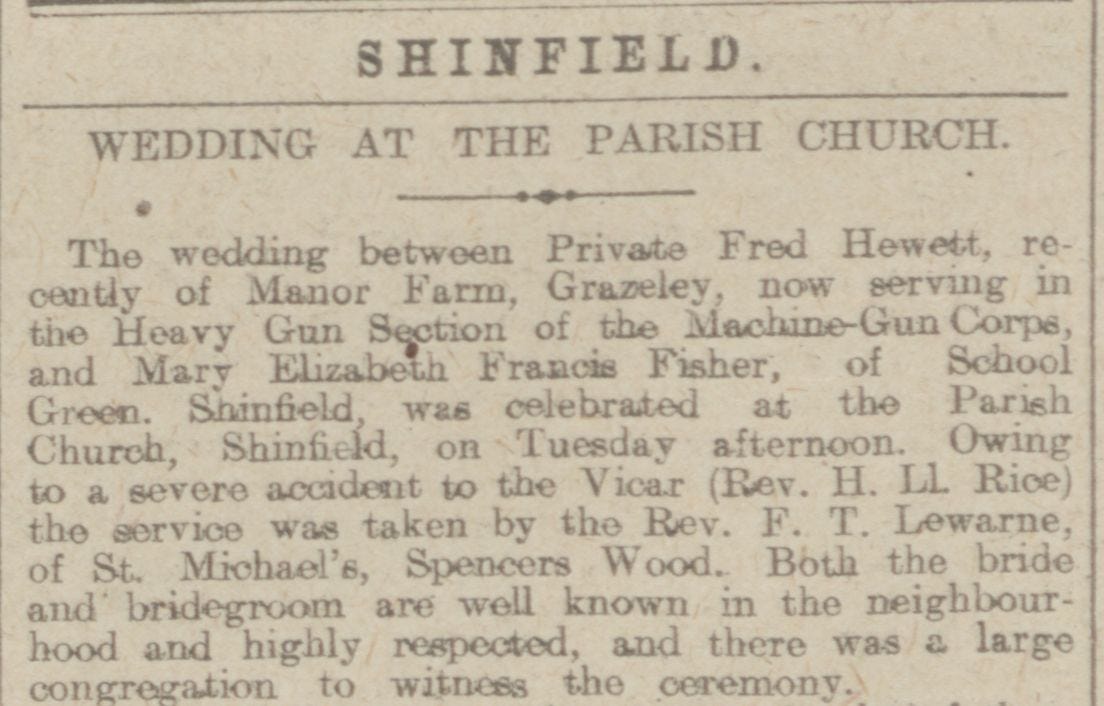
The wedding notice captures a single day, but marriage is a much longer story. The article freezes a single moment, but life is full of motion. And that’s true of every newspaper article we encounter.
Our ancestors did not live isolated lives. They lived inside families, inside communities. Inside economies and political systems and religious traditions. They experienced culture and expectations they did not create.
Every decision they made was shaped by forces larger than themselves, just like we face today. Newspapers rarely pause long enough to explain those forces. That explanation? That’s on us. That’s our job as researchers.
We’re going to refer to these forces as “historical weather.” The external factors that push each of us into circumstances that may be out of our control. Situations that we can potentially adjust to or pivot away from, moments we can find shelter - or not. But ultimately, weather happens, and there’s not much we can do about it.
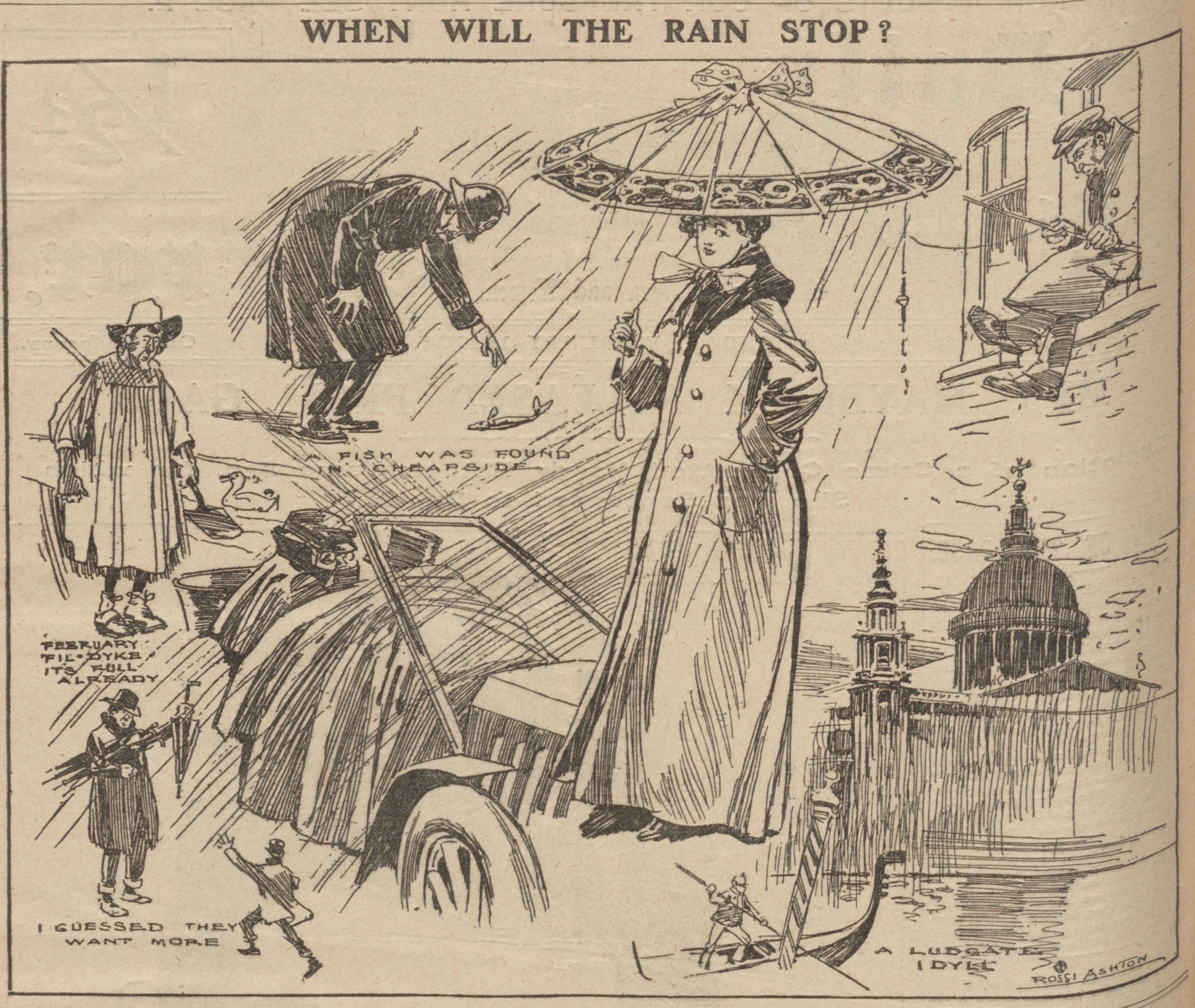
When I read a newspaper article, I often find myself asking questions that have nothing to do with the article itself.
What was happening economically?
What was happening politically?
What tensions existed within the community?
Was war underway?
Were people migrating?
Was a disease spreading?
Were jobs scarce?
Who held power?
Who didn’t?
Because those questions change how we understand everything else. This is one of the reasons I love social history and the insight it provides us. It reminds us that people are products of their environments, not prisoners of them—participants in an ever-changing, ever-moving world.
History is not just a collection of events; it’s a collection of circumstances. And circumstances should matter deeply to every family historian seeking the real, full, in-depth story of the past.
The article you find may capture your ancestor on the happiest day of their life. Or their hardest. Or simply their most public.
But no single moment contains an entire life.
Newspapers freeze moments; life is lived in motion.
The more context we add, the harder it becomes to tell simple stories, and this is a gift. Life isn’t simple; it’s complex, so that complexity usually means we’re closer to the truth.
History becomes more interesting when we stop asking: “What kind of person was this?”
And start asking: “What kind of world was this person trying to navigate?”
If you remember only one thing from this article, remember this: Never read a headline without its historical weather.
Economic pressures. Politics. Religion. Migration. War. Community. Fear. Hope.
These things form the atmosphere around every event. And weather changes how we experience everything.
Try It Yourself
Return to a newspaper article you’ve already used.
Then ask five new questions:
What was happening socially?
What was happening politically?
What was happening economically?
What was happening culturally?
What was happening environmentally?
You may discover that the article itself contains only a small part of the story.
Next Time
In the final article of this series, we’ll turn our attention to what newspapers leave unsaid.
Because silence isn’t always emptiness. Sometimes, absence is evidence.
If you’d like to follow the rest of the series, be sure to subscribe so you don’t miss the final installment of Reading Between the Lines.
Very important questions.
Thanks for sharing!